Sash windows: the complete guide
Sash windows are one of the defining features of British architecture, found on Georgian, Victorian and Edwardian homes from terraced streets to grand townhouses. This guide explains how they work, the choice between restoring and replacing, the uPVC and timber options, and the rules that apply if you live in a conservation area. Whether you are weighing up a repair or planning a full replacement, it should help you ask the right questions before you compare sash window quotes.
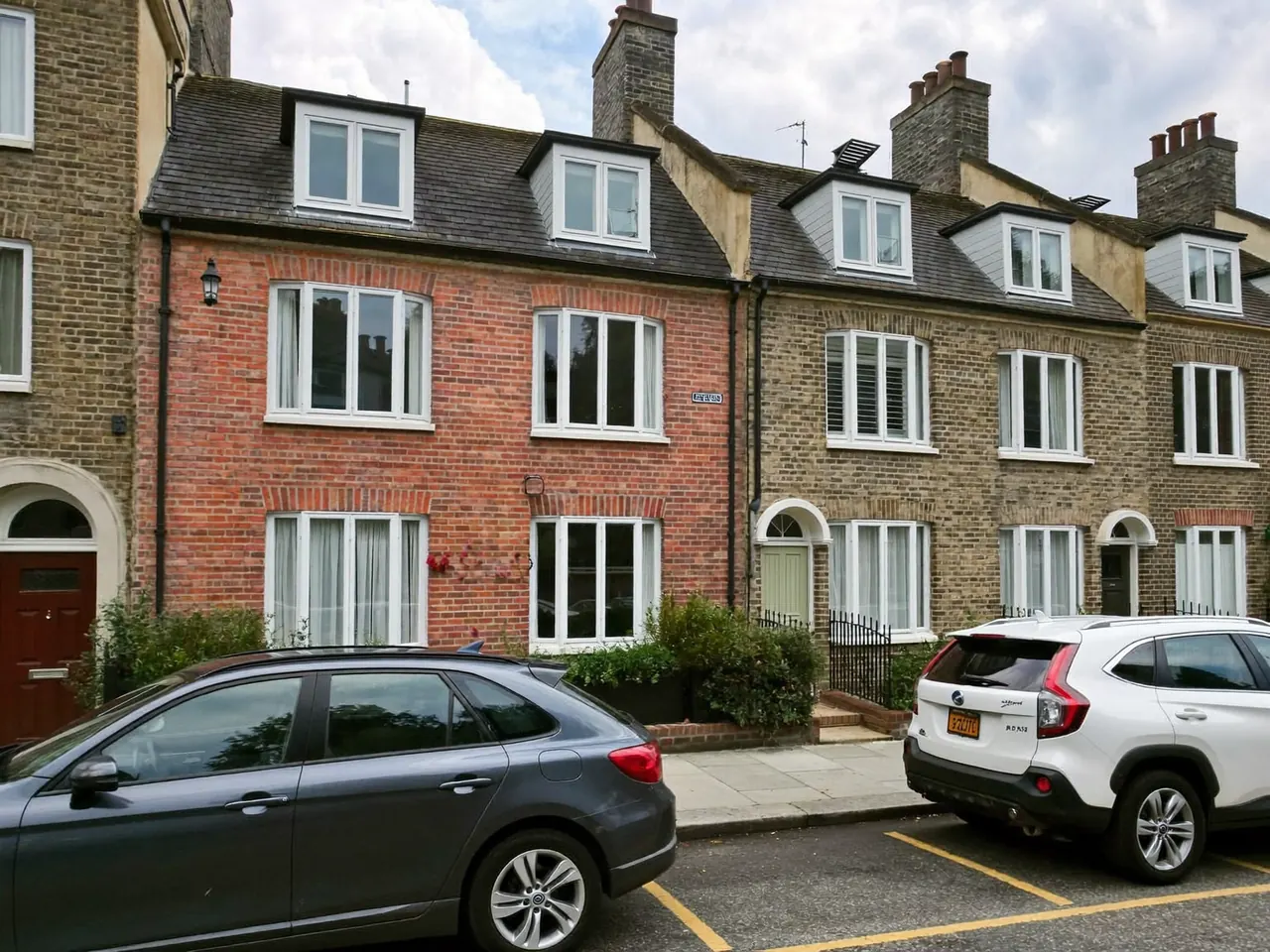
What is a sash window?
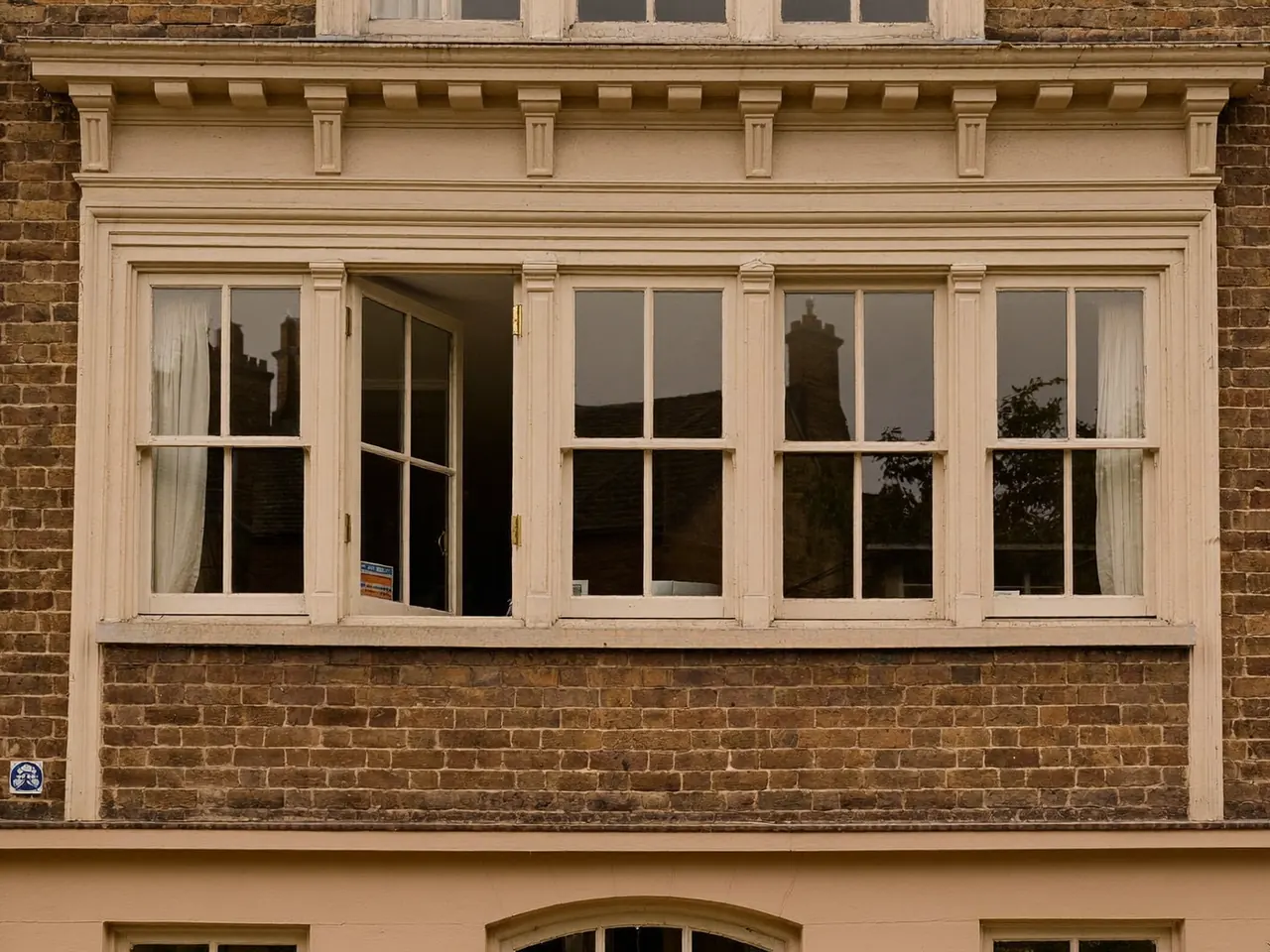
A traditional sash window has one or more glazed panels, called sashes, that slide vertically within a frame. The classic arrangement is “two-over-two” or “six-over-six”, describing the number of panes in each sash. The sashes are held open at any height by a counterbalance — historically a system of cords, pulleys and hidden lead or iron weights inside the box frame, and in more modern units a spiral balance. That counterbalance is what lets a heavy sash stay put rather than dropping shut.
Because the mechanism is concealed and the joinery is fine, sash windows reward careful maintenance. When cords fray, paint builds up, or timber softens at the sill, the window can rattle, stick or let in draughts — but these are usually repairable faults rather than reasons to scrap the whole window.
Restore or replace?
The first decision most homeowners face is whether to save their original windows or fit new ones. Sound frames with localised decay are often best restored: it keeps the period proportions, the old glass and the character that suits an older home, and it is frequently the preferred route in conservation areas. Where timber is extensively rotten or the frames are beyond economical repair, like-for-like replacement in timber or a good heritage uPVC range may make more sense. Our guide on repairing or replacing sash windows walks through how to weigh the two.
Ready to compare? Tell us a little about your windows and we’ll match you with vetted local specialists. Get my sash window quotes →
Materials: uPVC vs timber
Timber sashes offer the most authentic look and are usually expected on listed buildings, while modern uPVC sash ranges are lower-maintenance and often cheaper upfront. Both can perform well thermally when specified with modern draught seals and slim glazing. Our uPVC vs timber comparison sets the two side by side on looks, upkeep, performance and cost.
Comfort: draughts and glazing
Two of the most common complaints about older sashes are draughts and single glazing. Both are addressable. Discreet brush seals fitted into the frame can transform how an old window feels — see sash window draught-proofing. And slim double-glazed units can often be fitted to timber sashes, or you can specify new double glazed sash windows for warmer, quieter rooms.
Rules for period and listed homes
If your home is in a conservation area or is listed, replacement windows may be controlled by planning rules or an Article 4 direction, and timber like-for-like is often expected. Read our conservation-area guide and always check with your local planning authority before committing.
How the mechanism works
Understanding the counterbalance helps you judge repairs. Cord-and-weight boxes can be re-corded and rebalanced; spiral balances can be replaced when tension is lost. Our guide to sash window mechanisms explains the difference and what each repair involves.
Costs and next steps
Costs vary widely with size, material, glazing and the amount of joinery needed, so it is best to think in typical ranges and get a survey-based quote. Our sash window prices guide explains what drives the figures. When you are ready, comparing a few quotes side by side is the surest way to understand fair value for your project.
Compare sash window quotes: free, no-obligation, and matched to installers who work on period homes. Start my free quotes →