Sash window restoration
A tired sash window that sticks, rattles or lets in draughts is rarely beyond help. Most original sashes were built to be repaired, and restoration keeps the period detail, the old glass and the proportions that give an older home its character. This guide explains what restoration involves, when it is the right choice, and how it compares with replacement.
What restoration involves
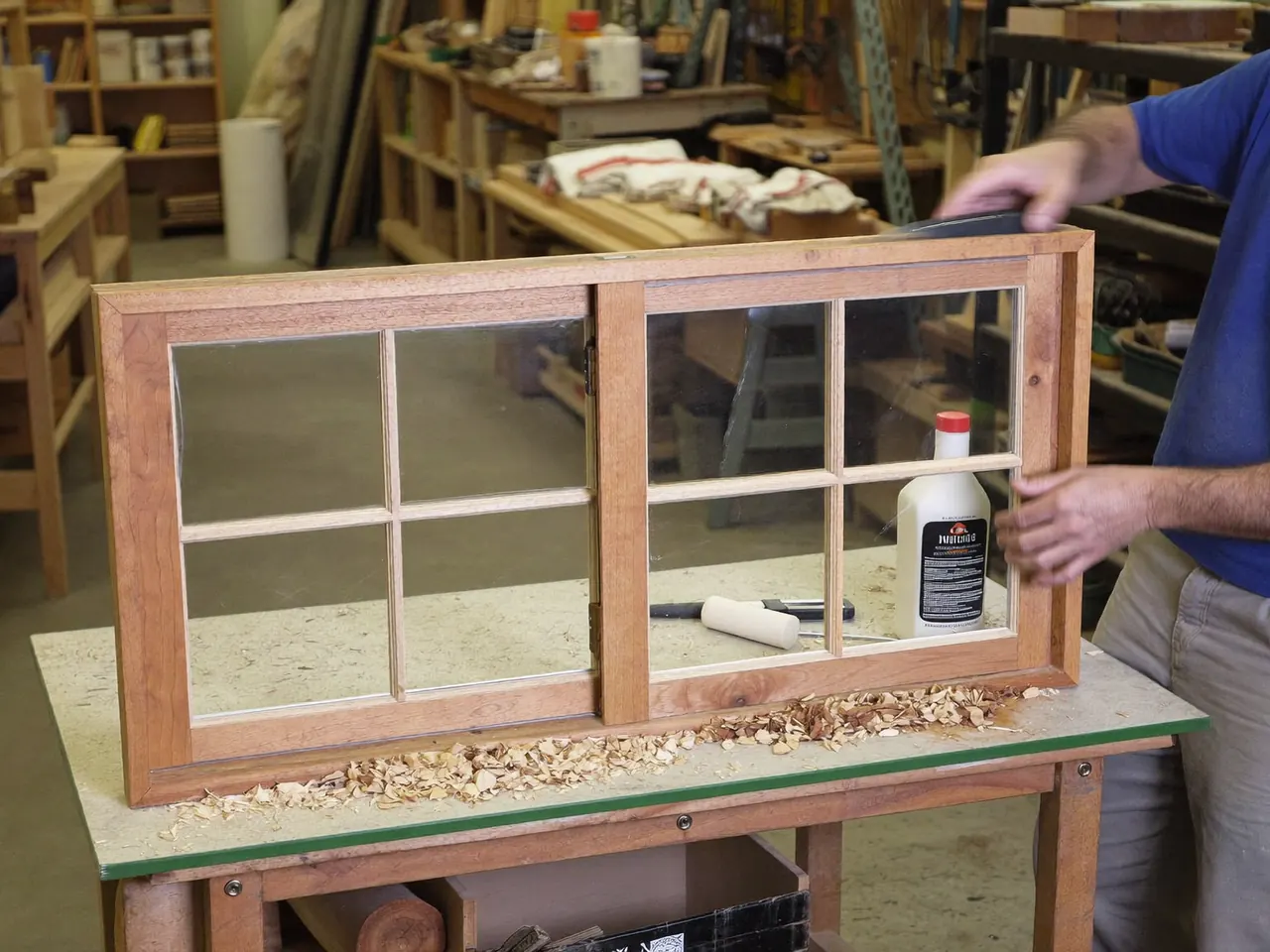
Restoration is a set of targeted repairs rather than a single job. A typical project might include re-cording the sashes and rebalancing the hidden weights, easing sashes that bind against built-up paint, and splicing in new timber where the sill or bottom rail has decayed. Loose joints are re-wedged and glued, old putty is renewed, and the whole window is redecorated. Crucially, discreet draught-proofing is usually added at the same time, transforming how the window feels without changing how it looks.
When restoration makes sense
Restoration is the right route when the frames are structurally sound and the decay is localised. Because it keeps the original joinery, it is frequently preferred — sometimes required — in conservation areas and on listed buildings. It is also often more cost-effective than full replacement, and it avoids the waste of discarding sound timber. Where the timber has rotted extensively or the frames are beyond economical repair, replacement may be the better call; our repair or replace guide helps you weigh the two.
Thinking of restoring your windows? Compare quotes from installers experienced with period joinery. Get my sash window quotes →
Restoration and draught-proofing together
The single biggest improvement in comfort usually comes from draught-proofing, and restoration is the natural moment to do it. Brush seals set discreetly into the frame and meeting rail cut draughts and stop the rattle while leaving the appearance untouched. Read more in our guide to sash window draught-proofing, which explains the options and what to expect.
Can restored windows be double glazed?
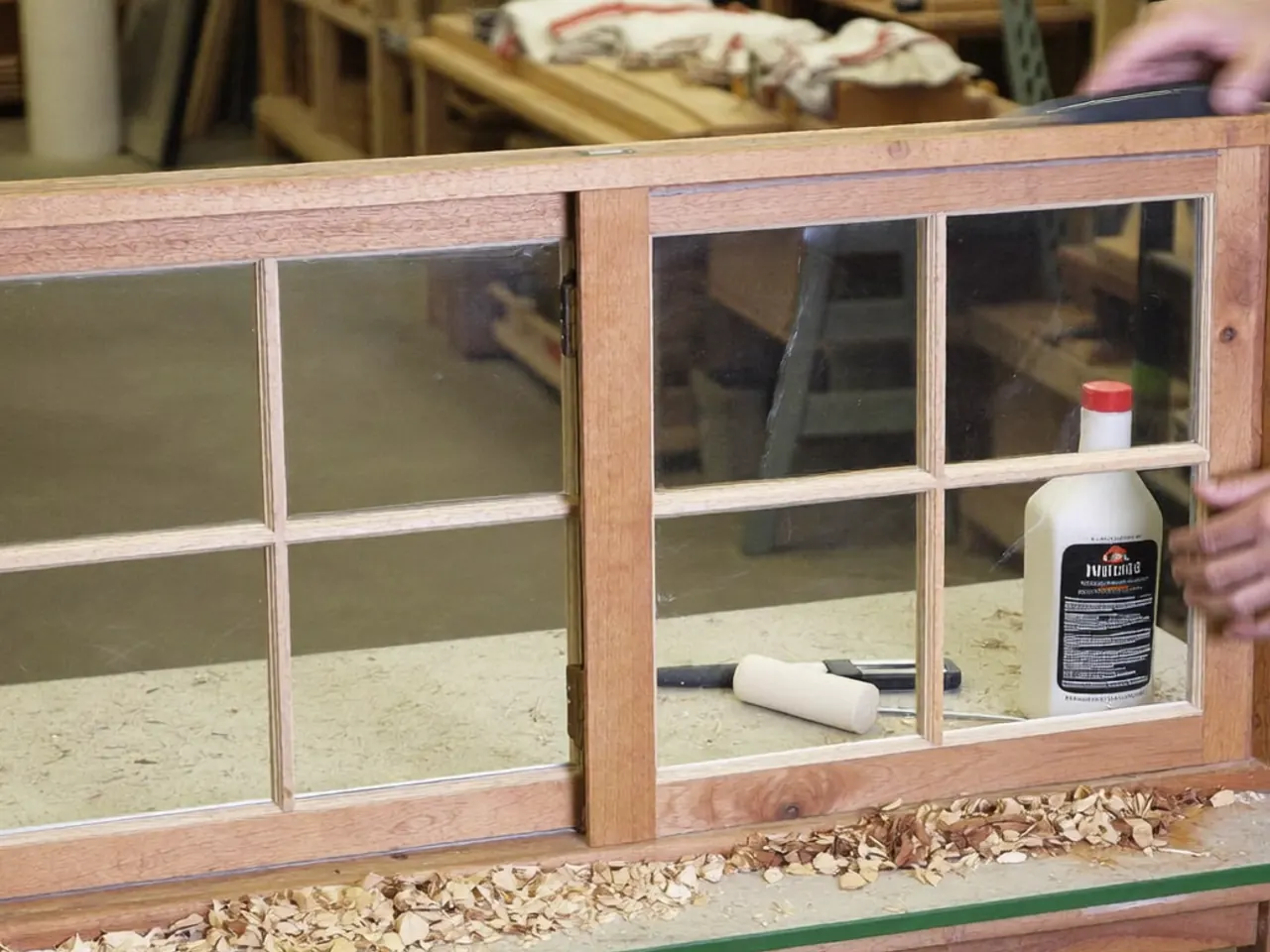
Often, yes. Many timber sashes can accept slim double-glazed units during restoration, improving warmth and reducing noise while retaining the frame. Alternatively you can keep single glazing and rely on draught-proofing, or fit secondary glazing. Our double glazing guide covers the choices.
Choosing the right installer
Sash restoration is a craft, so it pays to use firms experienced with period properties. Look for evidence of similar work, a clear scope covering the repairs, draught-proofing and decoration, and a sensible guarantee. Comparing a few quotes side by side helps you understand both the scope and fair value before you commit.
Compare sash window quotes: free, no-obligation, matched to period-property specialists. Start my free quotes →