uPVC vs timber sash windows
When you replace sash windows, the choice of material shapes the look, the upkeep, the running cost and whether the local authority will approve the work. Timber and uPVC both have their place, and a good installer will specify either well. This guide sets the two side by side so you can decide what suits your home, your budget and your street.
The look
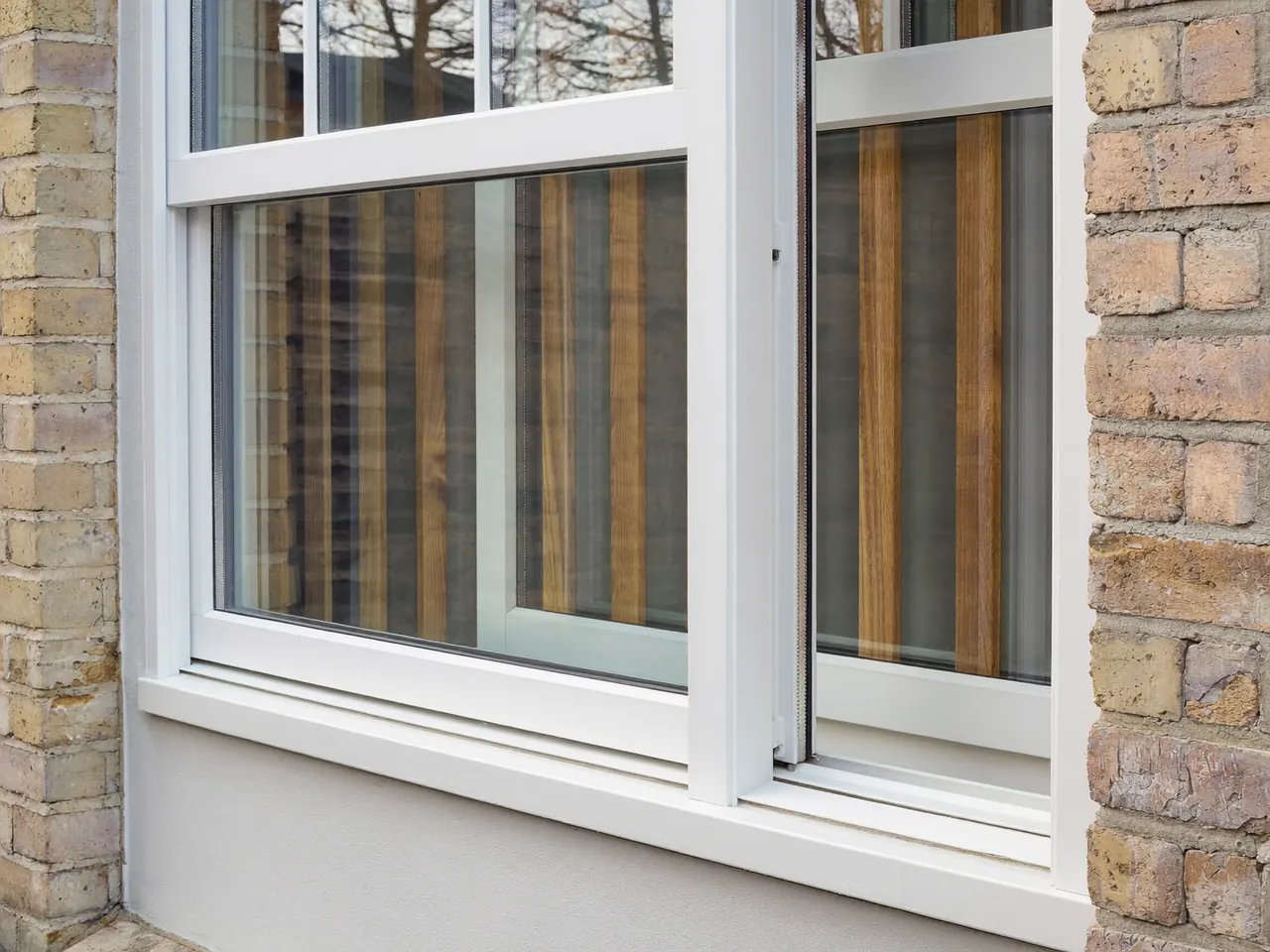
Timber offers the most authentic appearance: fine glazing bars, genuine putty lines and profiles that match the age of the house. On a Georgian or Victorian frontage this authenticity is hard to beat, which is why timber is usually expected on listed buildings and in sensitive conservation areas. Modern uPVC “heritage” ranges have improved a great deal and can look convincing from the pavement, though the mechanical joints and slightly heavier sections can read as newer up close.
Maintenance
uPVC is the low-maintenance option: it wipes clean and never needs repainting, although colour choices and the ability to change colour later are more limited. Timber needs periodic care — repainting every several years and attention to any early decay — but a well-maintained timber sash can last for generations, and any part of it can be repaired.
Not sure which suits your home? Compare quotes for both from installers who work on period properties. Get my sash window quotes →
Thermal and acoustic performance
Both materials perform well when specified with modern draught seals and slim double glazing. Multi-chamber uPVC frames insulate effectively, while timber combined with slim glazing and good draught-proofing also delivers a warm, quiet room. In practice the glazing and the quality of the fit matter as much as the frame material. If comfort is your main goal, read our guides to double glazed sash windows and draught-proofing.
Conservation areas and listed buildings
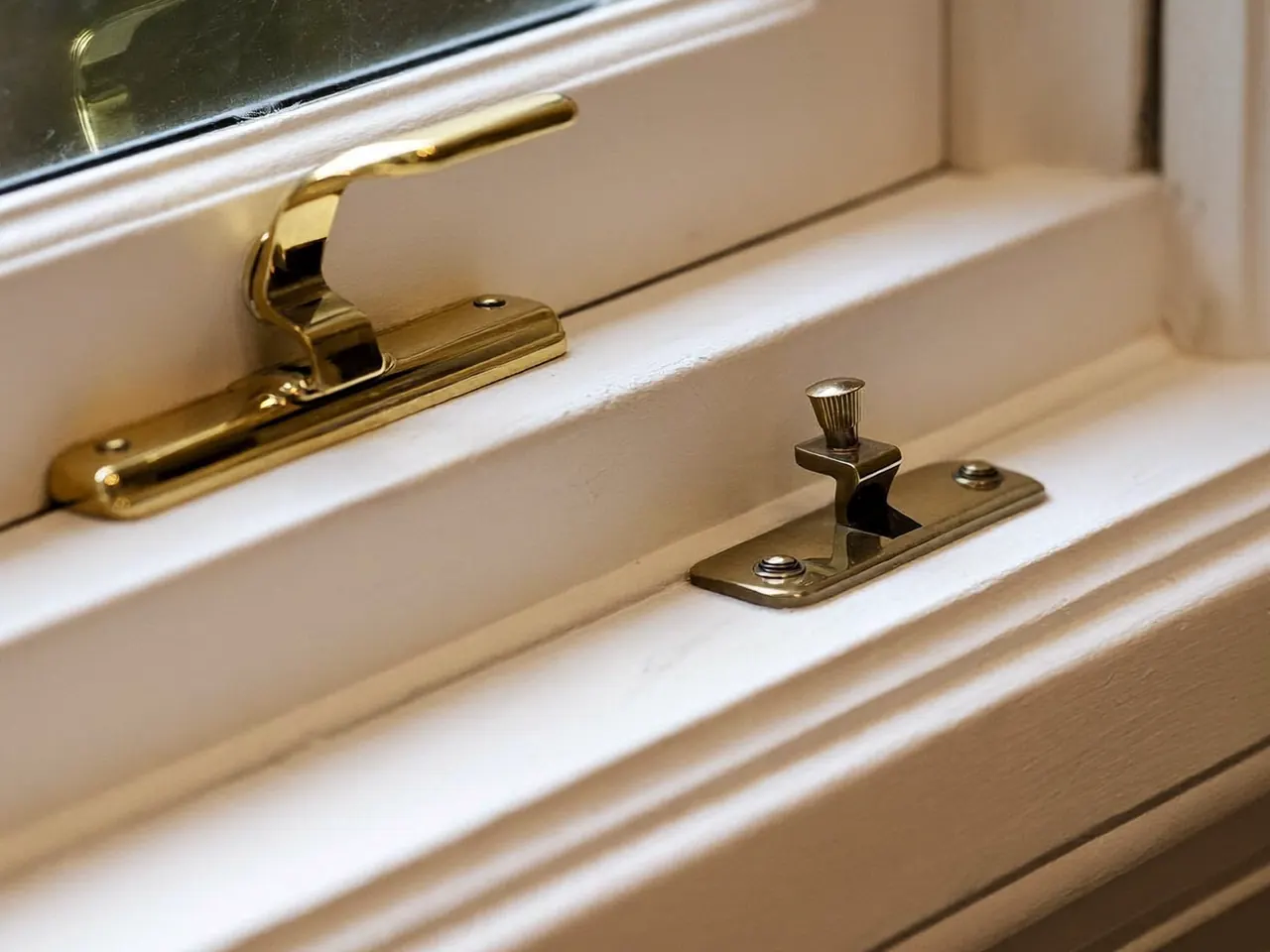
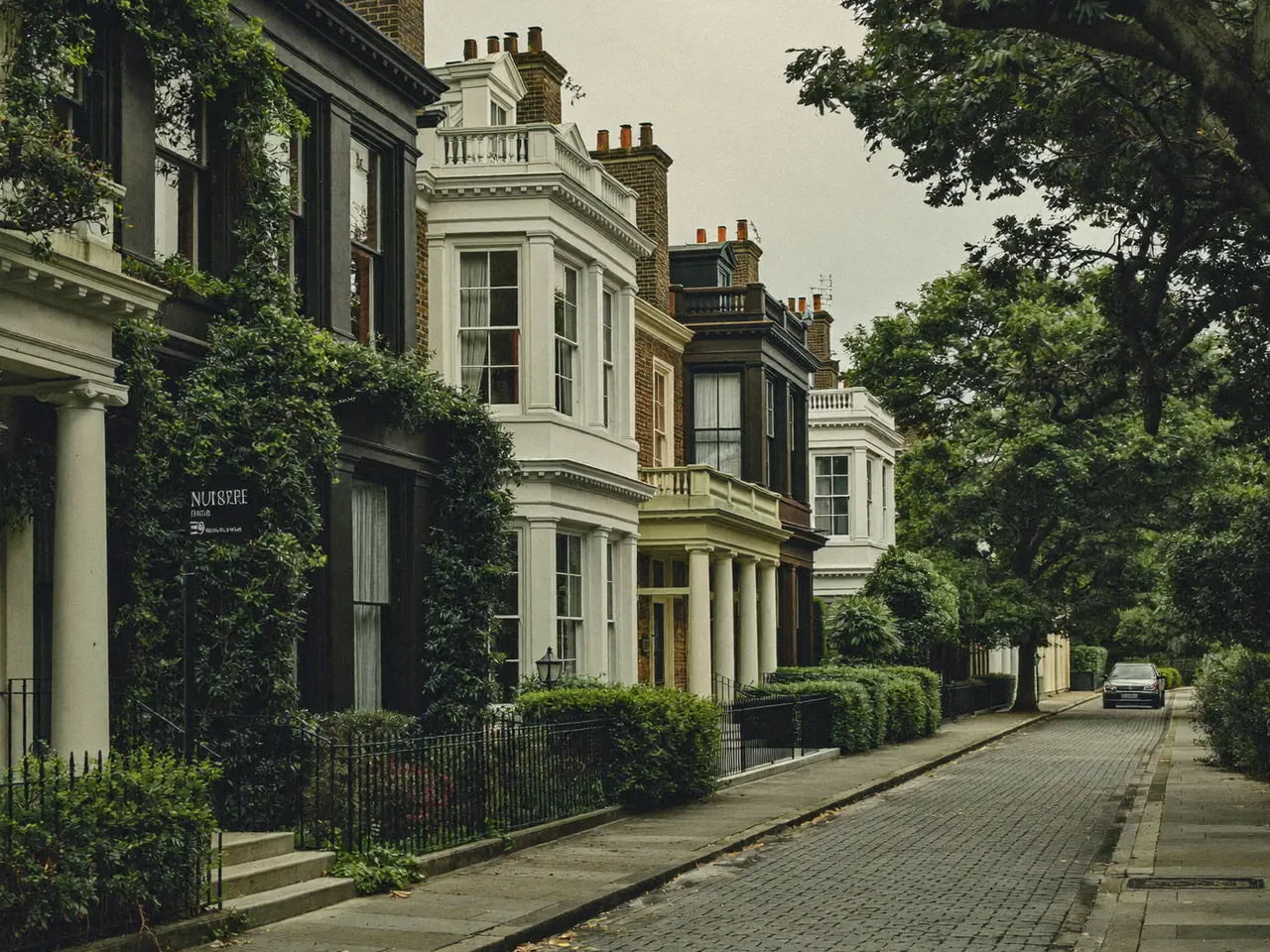
This is often the deciding factor. In conservation areas, and especially on listed buildings, planners frequently require timber like-for-like and may restrict uPVC entirely. An Article 4 direction can remove the permitted-development rights that would otherwise let you change windows freely. Always check locally before you order — our conservation-area guide explains what to look for.
Cost
uPVC sashes are usually cheaper upfront, both to manufacture and to fit, while timber commands a premium for its authenticity and longevity. But the gap narrows once you factor in decoration, glazing and the lifespan of a maintained timber window. Because so much depends on your specification, it is best to think in ranges — our sash window prices guide breaks down what drives the figures.
So which should you choose?
If you live in a conservation area or listed building, timber is often the safe — sometimes the only — choice. If you want the lowest maintenance and upfront cost and there are no planning constraints, a good heritage uPVC range can be an excellent fit. For many homeowners the sensible next step is to price both on a like-for-like basis and see how the quotes compare.
Compare sash window quotes: uPVC or timber, from vetted local specialists. Start my free quotes →