Sash windows in conservation areas
If your home sits in a conservation area or is a listed building, the rules on replacing windows are stricter than most homeowners expect. Get it wrong and you risk enforcement action or being asked to reverse the work. Get it right and you protect both the character of your home and its value. This guide explains the main controls and how to stay on the right side of them.
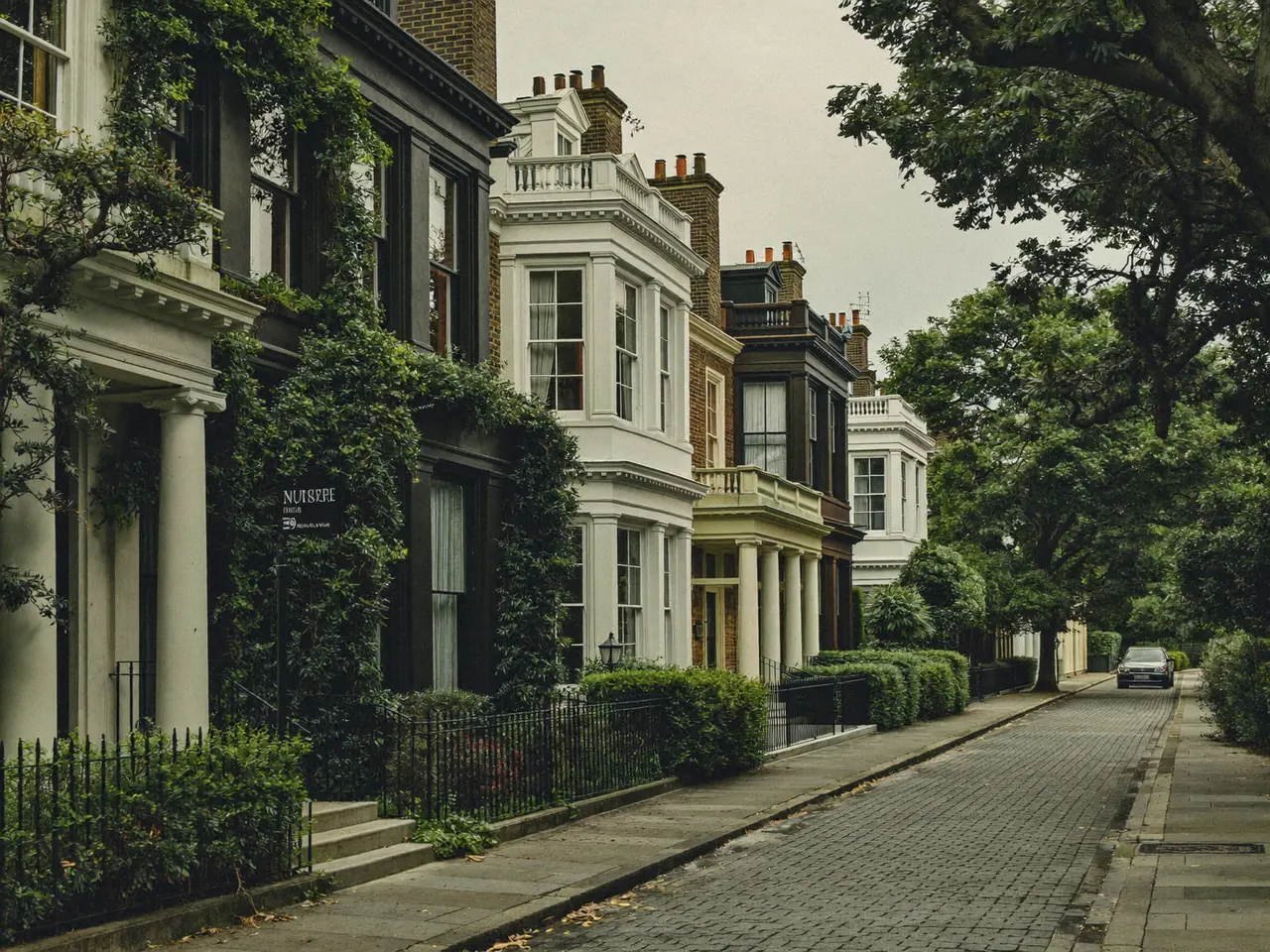
What a conservation area means for windows
A conservation area is a place designated by the local authority for its special architectural or historic interest. Windows are a big part of that character, so changes to them are watched closely. In many areas you can repair or replace like-for-like without issue, but altering the material, style or glazing pattern — for example swapping timber sashes for uPVC — may need permission and may be refused if it harms the area’s appearance.
Article 4 directions
Some conservation areas are covered by an Article 4 direction. This removes the permitted-development rights that would normally let you change windows without applying for planning permission. Where an Article 4 direction is in force, you generally must apply to the council before replacing windows, even like-for-like in some cases. Your local planning authority can tell you whether one applies to your street.
Planning a period project? Compare quotes from installers who work within conservation rules. Get my sash window quotes →
Listed buildings
Listed buildings have the highest level of protection. Almost any change to the windows — including replacing them, altering the glazing or sometimes even significant repairs — is likely to need listed building consent. Original windows are considered part of the building’s special interest, so restoration is usually favoured over replacement. Working with specialists experienced in listed work is essential.
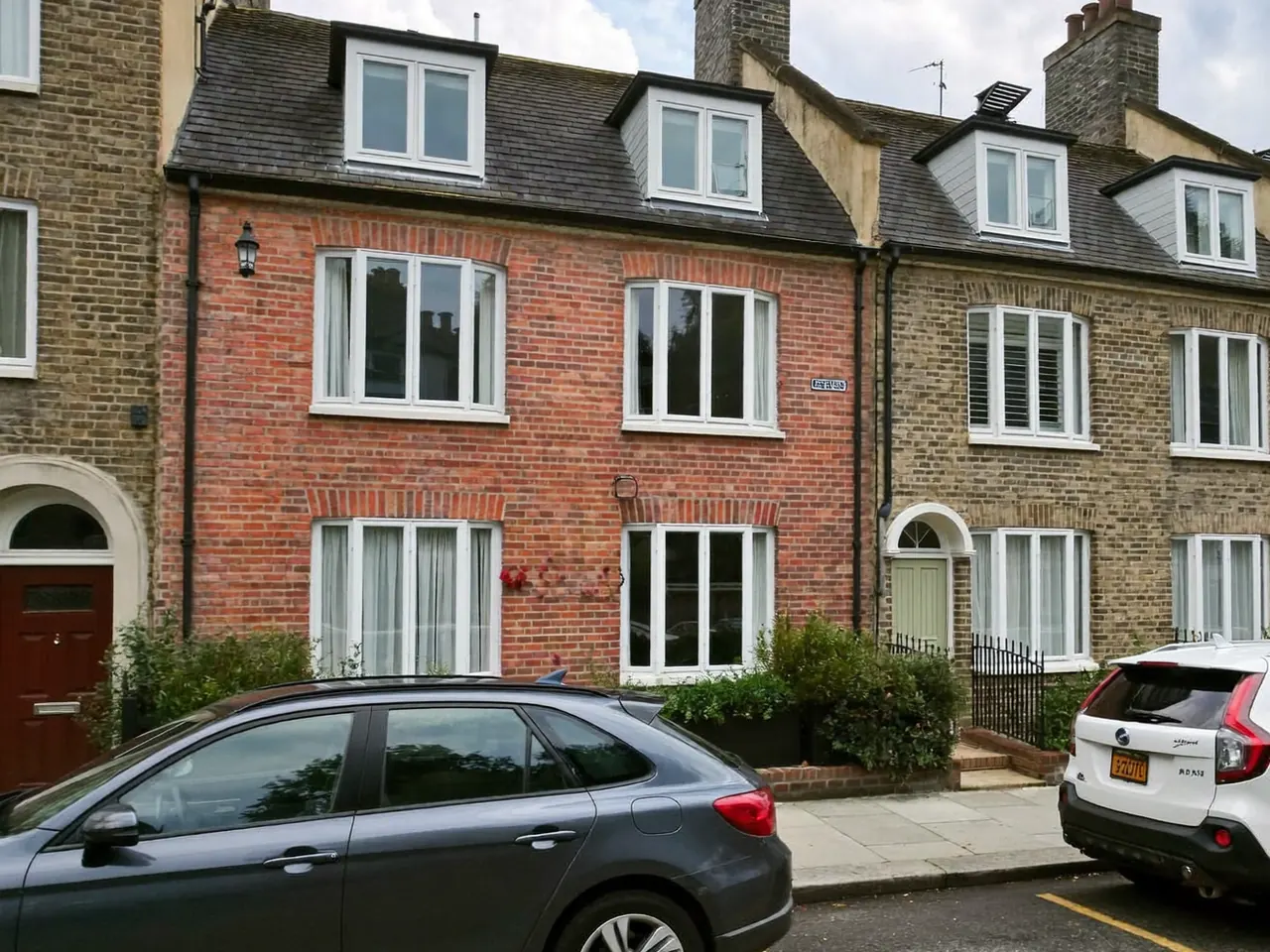
Why timber like-for-like is often expected
Because conservation controls focus on preserving appearance, timber like-for-like replacement is frequently expected, and uPVC is often restricted or refused. Where the originals can be saved, restoration is usually the safest route of all — it keeps the historic joinery and rarely raises objections. If replacement is unavoidable, slim-profile timber sashes that match the existing pattern give the best chance of approval; our uPVC vs timber comparison explains the trade-offs.
How to proceed
Always check with your local planning authority before ordering anything — a quick conversation can save costly mistakes. Ask whether your property is listed, whether it is in a conservation area, and whether an Article 4 direction applies. Then brief installers who can demonstrate period and conservation experience, and compare their quotes on a matching specification.
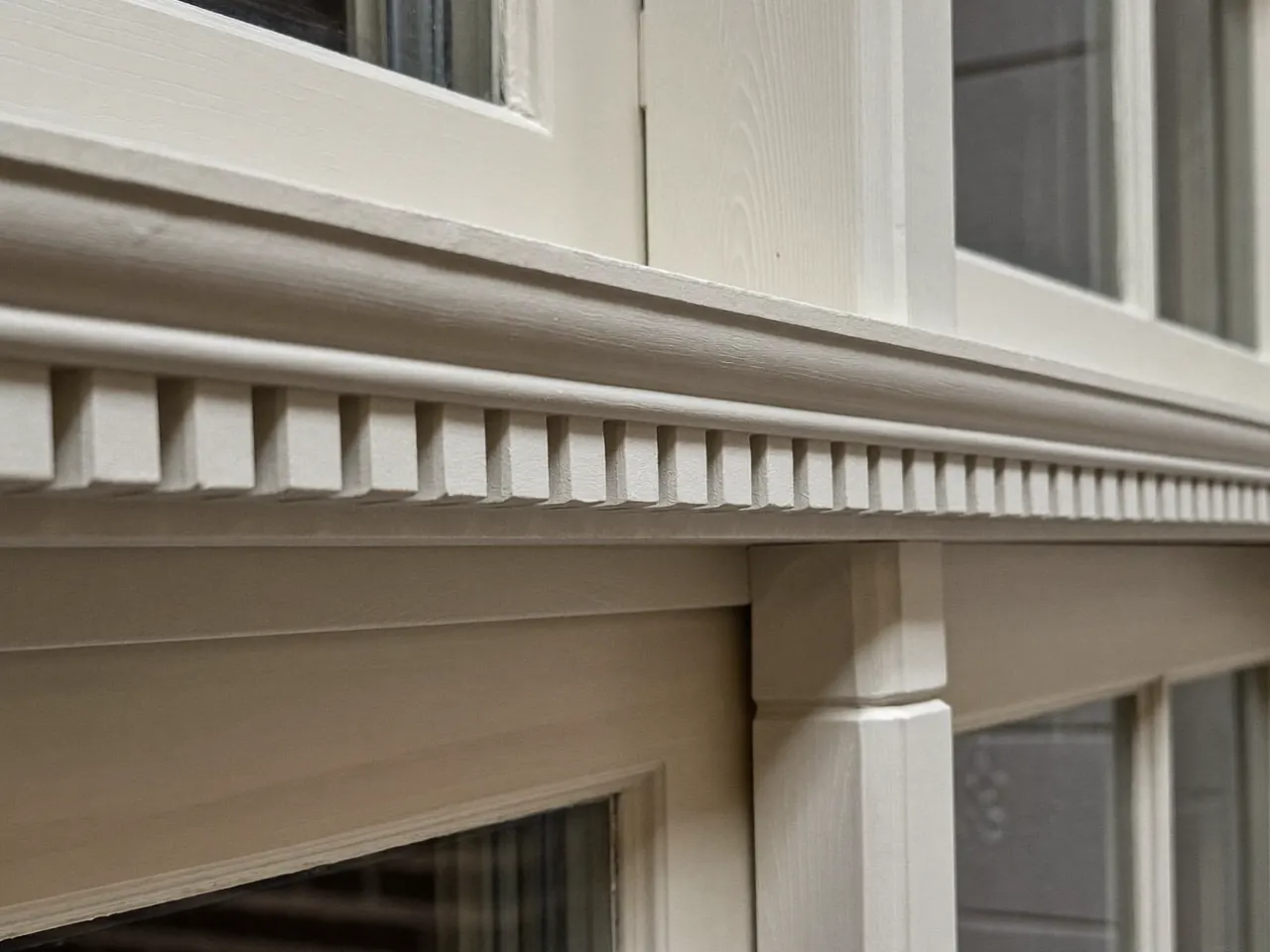
Compare sash window quotes: free, no-obligation, from conservation-aware specialists. Start my free quotes →